Layering the Money: How Small UK Community Groups Can Fund a Warmer Hall in 2026
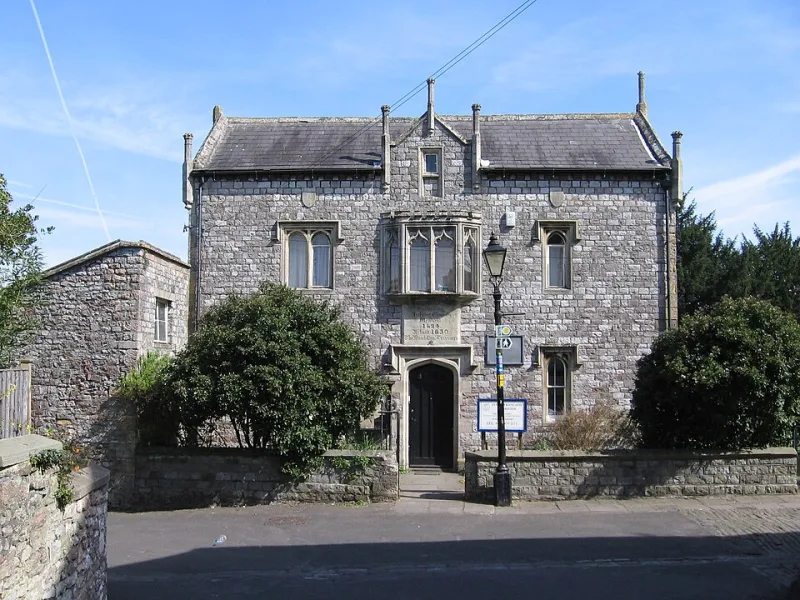
Photo: William Avery, CC BY-SA 2.5, via Wikimedia Commons
If you sit on a village hall committee, you will know the feeling. The heating quote has gone up, the windows are single-glazed, and the grant you found covers about a third of the work. Single grants rarely solve a whole energy project. The answer is usually to layer several smaller pots — grant stacking — rather than chase one perfect funder. Here is how small UK groups can do it without losing the plot in 2026.
What grant stacking actually means
Grant stacking is simply using more than one funding source for different parts of the same project. It is not the same as double-funding. You cannot ask two funders to pay for the same boiler. But you can ask one to pay for insulation, another for heating controls, and a third for energy advice sessions. Each funder sees a clear, separate cost line, and you show a single project budget that adds up.
The three pots worth layering
Council grants. Local authorities often have community energy, climate emergency or capital grants for community buildings. Some are small — £500 to £5,000 — and some are larger. They usually want match funding, which means they like to see other money in place. Check your council’s community grants page and ask the officer what they fund in practice, not just what the policy says.
Energy company community funds. Many suppliers run community foundations or net zero funds that support local buildings, advice services and energy efficiency. These are often competitive and have set rounds. They may prefer projects that reduce carbon, help people in fuel poverty, or leave a lasting community benefit. Read the criteria twice: “community energy” can mean generation, advice or efficiency, depending on the funder.
Charitable trusts and foundations. Small trusts often fund capital works in community buildings, especially in rural areas. Some fund energy advice or running costs. The catch is that they may want a specific building survey, a lease, or proof that the hall is open to the wider public. Use a grants database or your local Council for Voluntary Service to find trusts that fund your area.
The order that saves headaches
Start with the funder who has the earliest deadline, not the biggest cheque. Then check whether any funder insists on being the first or last in. Some councils want to see other funding secured before they release theirs; some trusts will only pay after the work is done. A sensible order is: council advice and feasibility first, then capital grants, then any smaller trust for advice sessions or contingency. If you need planning permission or building regulations approval, get that advice before you apply for capital — funders do not like surprises.
Common pitfalls in 2026
Double-funding the same cost. Keep a cost-line table with one funder per line. If a funder offers more than you asked for, agree in writing which costs it covers before you spend it.
Using one grant as match without permission. Some funders allow it, some do not. Ask before you put their name in another application.
Forgetting VAT and contingency. A quote of £18,000 can become £21,000 with VAT, access equipment and a contingency. Build 10% to 15% in, or you will be back to the funders before the work starts.
Applying to too many at once with different budgets. Keep one master budget and send the same figures to everyone. Inconsistent numbers are a quick way to lose trust.
Missing building consents. Listed buildings, leased halls and village halls held in trust may need consent from the landlord, the Charity Commission or the local planning authority. Check before you sign a contractor’s order.
Underestimating the time. A simple grant can take eight to twelve weeks; a council capital grant can take longer. Start in January if you want work done before next winter.
A worked example: the 2026 village hall project
Imagine a village hall in a rural county. The committee wants to insulate the roof, replace old storage heaters with a heat pump and run four energy advice sessions for residents. The total project cost is £24,000: £18,000 for insulation and heating, £3,000 for advice sessions and £3,000 contingency.
The committee applies to the district council’s community energy grant for £8,000, having checked that the council allows other match funding. It applies to an energy company community fund for £7,000, which likes the carbon savings and the advice element. It approaches a small charitable trust for £5,000 towards the capital works. The hall’s own reserves and a summer fete cover the remaining £4,000.
The order matters. The council grant is submitted first because its round closes in March. The energy company fund has a May deadline, and the trust accepts applications any time but takes three months to decide. The committee keeps one budget sheet and sends the same figures to all three. When the trust offers £4,000 rather than £5,000, the committee adds £1,000 from a second small trust and delays the advice sessions by a month. The work still happens before October.
What to put in the evidence pack
You will need the hall’s constitution or charitable status, a recent set of accounts, a building survey or energy assessment, contractor quotes, a project budget with cost lines, and a letter confirming you have permission to do the work. If you are a small group, ask your local CVS to review the pack before you send it. They spot missing documents that funders use as a reason to say no.
A final checklist
Check eligibility before you write a word. Keep one master budget. Ask each funder what they will and will not allow as match. Apply in deadline order. Tell every funder about the others. Keep a contingency. And do not promise work you cannot afford if one grant falls through. Grant stacking is not about squeezing money from everyone — it is about showing each funder a clear, honest slice of a project that makes sense. At NPower Energy Fund, we think that is the difference between a hall that stays warm and a folder of half-finished applications.