Park Homes and Static Caravans: Energy Support When Your Address Doesn’t Look ‘Standard’
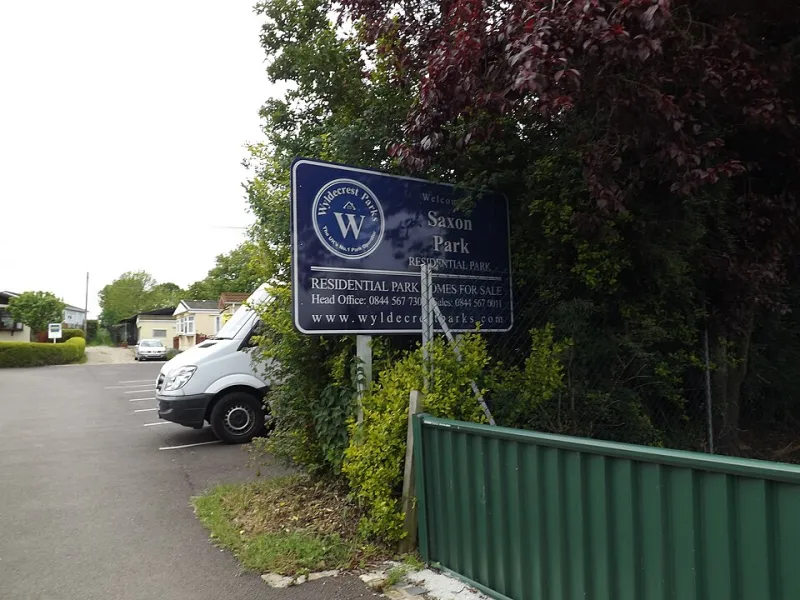
Photo: Geographer , CC BY-SA 2.0, via Wikimedia Commons
Living in a park home or static caravan shouldn’t put you outside the energy support system. But it can feel that way when every form asks for a wall type, an EPC, a council tax band or a “standard” address that doesn’t quite match your plot. The good news is that support does exist in 2026. You just need to know which door to knock on first — and what to have ready when someone answers.
Start with the question that unlocks everything: who bills you?
Before you chase grants, work out how energy reaches your home. Some park home residents have their own domestic electricity or gas account with a supplier. Others pay the park owner, who buys energy and resells it. Some static caravans are on a site-wide supply arrangement.
That difference matters. Warm Home Discount, supplier hardship funds and many energy schemes are built around a domestic supplier account. If you pay the park owner instead, you may not have the kind of account those schemes expect.
Ask the park owner, in writing if you can, for a clear breakdown of what you pay for energy: unit rate, standing charge and how the amount is worked out. If you have a direct account, find a recent bill and note the supplier name and your account number. If you don’t, keep the written explanation — it will help when you explain your situation to a council adviser or energy charity.
Why the usual grant forms get awkward
Most grant systems are designed around bricks-and-mortar homes. They may ask for a property type, tenure, EPC rating, wall construction or council tax band. Park homes and caravans don’t always fit neatly into those boxes.
A few common glitches:
- The online form won’t recognise your plot number or address format.
- It asks whether you own or rent, but you own the home and rent the pitch.
- It asks for an EPC, but your home doesn’t have one in the usual way.
- It asks for landlord permission, even though you own the caravan or park home.
- It assumes the site owner is responsible for energy upgrades when actually you are.
Don’t force your home into the wrong category just to get past the form. That can cause problems later. Use the address exactly as it appears on your council tax bill or pitch agreement, add the plot number where you can, and take screenshots if a website rejects you. A phone call to the council or supplier is often faster than fighting an online form.
Council support is often the most flexible route
Your local council is a good first call. Councils run Household Support Fund help and local welfare assistance schemes, and they can point you to energy advice. These schemes are not all identical — some help with fuel costs, some with white goods, some with food and essentials. But they tend to be more human than a national grant form, and an adviser can note that you live in a park home or static caravan.
Ask specifically for the energy advice team or the household support team. Explain your setup: whether you own the home, rent it, rent the pitch, or live on a holiday-licensed site. That last point matters. If your caravan is licensed for holiday use only, some support tied to your main home may not apply. Still ask about local welfare help — the council can tell you what it can offer.
Also check council tax. Many park home residents pay council tax, and a council tax bill is useful proof of address. If you’re on a low income, ask about council tax reduction too. It isn’t an energy grant, but it frees up money for bills.
Warm Home Discount: possible, but the route matters
Warm Home Discount is one of the best-known energy bill discounts, and park home residents can qualify if they meet the rules. The key is usually having a domestic electricity account with a participating supplier and receiving a qualifying benefit or meeting the scheme’s broader criteria.
If you have a direct account, check your supplier’s Warm Home Discount page and make sure your details are up to date. If you pay the park owner for energy, you probably won’t qualify through that route because you don’t have the right kind of supplier account. That’s frustrating, but it doesn’t mean there’s no help at all — it means the council and local welfare routes become more important.
Scheme rules can change, so check current guidance for 2026 rather than relying on what a neighbour was told a few years ago. And if you’re in Scotland or Wales, check the devolved advice services too, because some support is delivered differently.
Supplier funds and the Priority Services Register
If you do have a direct energy account, ask your supplier what hardship support it offers. Many suppliers have funds or payment plans for customers who are struggling, and some can offer breathing space while you sort things out. You may need to show income and expenditure, so have recent bank statements and bills ready.
Also ask to join the Priority Services Register if you’re eligible. It’s free and can help if you’re older, disabled, chronically ill or have young children. It won’t pay the bill, but it can make sure you get notice of power cuts and extra support in an emergency.
The paperwork that makes a difference
Park home and caravan cases often turn on proof. Gather what you can before you call anyone:
- Your council tax bill or pitch agreement.
- A recent energy bill, if you have a direct account.
- The park owner’s written explanation if energy is resold to you.
- Proof of any benefits or low income.
- Photos of the home, meter and any damp or cold problems.
- Written permission from the site owner if an upgrade needs work on the pitch.
Keep copies of everything you send. If you apply online and get rejected, ask for the reason in writing. A “no” often means a box was ticked wrongly, not that you’re ineligible forever.
Practical next steps
- Find out who supplies and bills your energy.
- Call your council’s household support or energy advice team.
- Check Warm Home Discount eligibility if you have a direct electricity account.
- Ask your supplier about hardship funds and payment plans.
- Keep a simple paper trail: bills, letters, screenshots and notes.
- If a form rejects your address, call and explain rather than guessing.
Park homes and static caravans are homes, even when the forms disagree. Start with the council, be clear about how your energy is supplied, and don’t let a clunky application make you give up. A calm, documented approach gets you much further than trying to squeeze your address into a box that was never built for it.