Before the Screen Goes Blank: Emergency Credit, Fuel Vouchers and Debt Help for UK Prepayment Meters in 2026
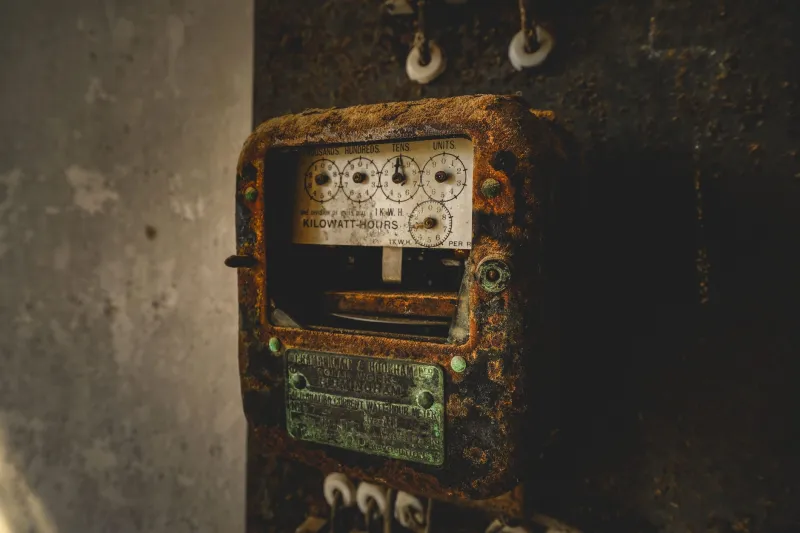
If your prepayment meter is beeping, flashing a low-credit warning or refusing to let you boil the kettle, take a breath. A meter running low is a problem with a sequence of next steps, not a dead end. The aim is to buy yourself time, get the right voucher or credit in place, and start a conversation with your supplier before the screen goes blank. Here at NPower Energy Fund, we would much rather you act ten minutes early than spend the evening in the dark.
First, work out what the meter is actually saying
Prepayment meters show more than one number. You will usually see your remaining credit, any emergency credit you have used, and sometimes a debt balance that is being repaid through the meter. Emergency credit is a built-in buffer from your supplier. It is not free money. When you next top up, the supplier takes back what you borrowed, so it is worth knowing how much is available and how quickly it needs repaying.
If you have a smart prepayment meter, check the supplier app or in-home display as well as the meter itself. Some meters let you top up by phone, app or text, while older key and card meters may need a shop visit. Keep the receipt or reference number for every top-up. If the meter is showing a debt balance, do not assume the whole top-up will become credit. Some of it may go towards the debt first. That can be frustrating, but it helps to know before you pay.
The ten-minute triage before you hit zero
Try to act while there is still a little credit left. Start with these steps:
- Check the meter for credit, emergency credit and debt. Take a photo of the screen if that helps.
- Top up what you can, even a small amount. A £5 top-up may not solve the week, but it can keep the fridge and heating going while you make calls.
- Ring your supplier before the meter hits zero. Ask what emergency credit is available, how it is repaid, and what happens if you cannot top up. Ask them to note the call.
- Write down the meter serial number, the reading, the time and any call reference. This is useful if you need to complain or apply for a voucher.
- If anyone in the home has medical equipment, a disability or is older or very young, ask to join the supplier's Priority Services Register. It is free and can make future conversations easier.
Fuel vouchers: where they come from and how to ask
Fuel vouchers are usually top-up vouchers for prepayment meters, issued through local councils, charities and referral partners. They are not a universal benefit, and supplies are limited, so it is worth asking more than one place. Start with your local council's household support or cost-of-living page, your nearest Citizens Advice, a food bank, your housing association or a local warm hub. The Fuel Bank Foundation also works through referral partners, so it is worth asking whether any local organisation can refer you.
Ask plainly: 'Do you issue fuel vouchers for prepayment meters, and what evidence do you need?' Have your meter number, identification and any income or benefit letters ready. Some schemes can move quickly; others have a short waiting list. Never pay a fee to a company that promises a voucher or grant. Genuine crisis help does not ask you to pay upfront.
Talking to your supplier about debt without drowning
If you are behind on energy bills, the conversation can feel intimidating. Keep it practical. Tell the supplier what you can afford, not what you think they want to hear. Ask for an affordable repayment plan and ask whether the debt can be reviewed, paused or spread differently. If the meter is taking too much from each top-up, say so clearly. Suppliers also have hardship funds and discretionary support in some cases, so it is fair to ask what is available.
If you cannot agree, ask for the supplier's formal complaints process. After eight weeks, or sooner if they issue a deadlock letter, you can take the complaint to the Energy Ombudsman. For free debt advice, contact StepChange, National Debtline or Citizens Advice. If you are on certain benefits, ask about Fuel Direct, which can pay energy arrears directly from your benefit. If you are dealing with several debts, ask a free adviser whether a debt breathing space scheme is right for you. Avoid fee-charging debt firms that promise miracles.
Grants and schemes worth checking in 2026
For immediate prepayment trouble, crisis vouchers and supplier hardship support are usually the fastest routes. For the slightly longer term, check whether you qualify for the Warm Home Discount, local council household support, charitable trusts through Turn2us, or energy efficiency help for your home. Heating upgrades rarely arrive overnight, but they can lower future bills. The key is not to pay anyone upfront for 'grant finding'. If someone guarantees a grant for a fee, walk away.
If the meter has already clicked off
Call your supplier straight away and ask about reconnection, emergency credit and priority support. Contact your council's crisis team or a local warm hub if you need somewhere warm during the day. Keep the fridge and freezer closed to protect food, and use blankets and layered clothing rather than relying on one expensive heater. If anyone in the home is medically vulnerable, say so clearly on every call.
A prepayment meter running low is stressful, but it is not a verdict on your household. Make the first call, ask for the specific help you need, and keep a short paper trail. Small steps taken today can keep the lights on while the bigger financial fixes are put in place.