Beyond the Gas Main: Energy Help for UK Homes Running on Oil, LPG or Straight Electric Heat
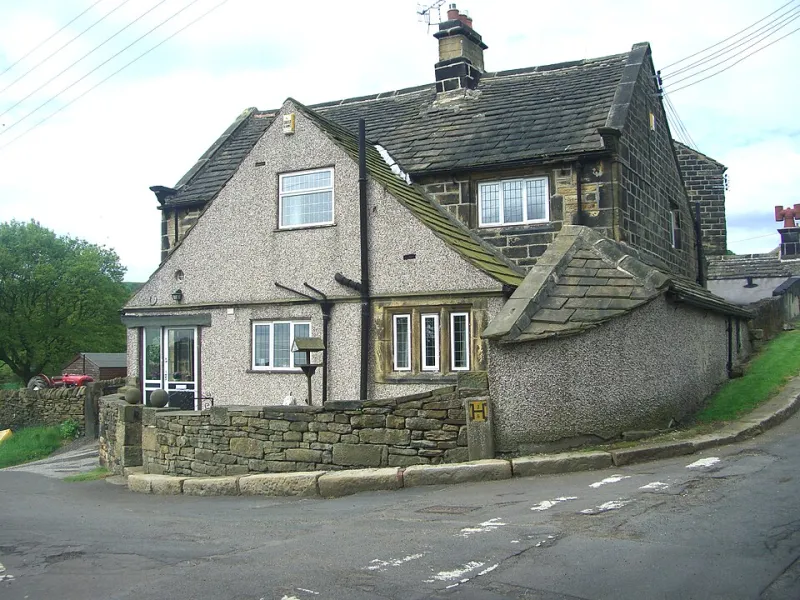
Photo: Mick Knapton, CC BY-SA 3.0, via Wikimedia Commons
If your idea of a gas meter is a vague memory from a previous house — or something you have never had at all — the energy support system can feel like it was written for somebody else. Forms ask for a gas supplier. Comparison sites want a gas usage figure. Grant pages talk about boilers as if everyone has one plumbed into the same network.
But being off the mains gas grid does not quietly remove you from help. It just means you may need to take a slightly different route through the paperwork. This is a plain-English look at what can still apply in 2026, how to show that your home is off-grid, and what to do when a form refuses to believe you.
First, the reassuring bit: support is not tied to a gas pipe
A lot of UK energy help is linked to your electricity account, your benefits, your age, your local council or the condition of your home — not to whether you have a mains gas supply. That matters if you heat with oil, LPG cylinders, coal, wood, or electric storage heaters.
You may still be able to look at:
- Warm Home Discount — usually a credit on your electricity bill if your supplier is part of the scheme and you meet the eligibility rules.
- Winter Fuel Payment — an age-related payment, with eligibility rules that have changed in recent years, so check the current guidance rather than relying on what a neighbour got a few winters ago.
- Cold Weather Payment — in England and Wales, linked to very cold weather and certain benefits. Scotland runs its own Winter Heating Payment instead.
- Household Support Fund — administered by local councils, with their own local rules. This is often the most flexible option for urgent fuel costs.
- Energy Company Obligation (ECO) and local authority flexible eligibility — insulation and heating measures, including for off-gas-grid homes, depending on the property and supplier.
- Boiler Upgrade Scheme — a capital grant towards a heat pump in England and Wales, which can be especially relevant where there is no mains gas.
- Devolved schemes — Home Energy Scotland, Nest in Wales, and the Northern Ireland Sustainable Energy Programme all have their own versions of support.
One caution: if you remember the Alternative Fuel Payment from the 2022–23 energy crisis, that was a temporary measure. It is not a live scheme to apply for in 2026. Check current government and supplier pages rather than old news stories.
Proving you are off-grid when the form expects a gas meter
This is where many off-grid households get stuck. The form asks for a gas meter point reference number (MPRN), or a gas supplier name, and there is no box for 'I have an oil tank in the back garden'.
Do not invent a gas supplier or leave the section blank without explanation. Instead, gather evidence that tells the story clearly:
- Your electricity bill, showing the supply address and no linked gas account.
- Your Energy Performance Certificate (EPC), which records the main heating fuel — often oil, LPG or electricity for off-grid homes.
- A recent heating oil or LPG delivery note, if you have one.
- A letter or quote from a registered heating installer confirming the property is not connected to mains gas.
- Photos of the oil tank, LPG cylinders or electric heating system can help in some local authority conversations, though they are not usually formal proof on their own.
- Council tax information can support your address details, but it does not prove your heating type by itself.
If an online form will not accept 'no mains gas', stop and contact the scheme directly. Ask for a manual review or for the off-grid declaration route. Keep a note of the date, the person you spoke to and what they asked for. A short, calm email trail is surprisingly useful later.
When the paperwork assumes a standard gas boiler
Some grant schemes are designed around gas boiler replacements. That does not automatically mean off-grid homes are excluded, but the wording can be clumsy. Look for phrases such as 'off-gas-grid properties', 'alternative fuels', 'electric heating' or 'rural premises'.
If you are dealing with a supplier or installer, be specific. Say: 'The property has no mains gas connection. The main heating fuel is heating oil / LPG / electric.' Then ask which evidence they need. A good adviser will know that off-grid homes exist. A poorly trained one may need a gentle nudge.
For council-run support, ask to speak to the household support or energy advice team. They are often used to rural properties and can tell you what their local scheme accepts.
Oil, LPG and electric heating: practical realities
There is no general government grant that simply pays for your heating oil fill. Be wary of anyone who says otherwise. Support usually comes through benefits, council hardship funds, supplier schemes or energy efficiency measures — not a universal oil tank top-up.
That said, a few practical moves can help:
- Ask your oil or LPG supplier about payment plans or smaller, more frequent deliveries if upfront costs are the problem.
- Check whether a local oil buying club operates in your area; bulk ordering with neighbours can reduce the price per litre.
- If you rely on electric heaters, focus on the electricity account: Warm Home Discount, supplier hardship funds and council support are often routed that way.
- If your home is hard to heat, ask about insulation and heating upgrades through ECO or a local authority scheme. Off-gas-grid homes are often priority candidates for fabric improvements.
A calm next step for this week
Start with one page of notes: your address, heating fuel, electricity supplier, benefits or age-related payments, and whether you rent or own. Then check the GOV.UK energy grants page, your council's household support page and your electricity supplier's hardship or Warm Home Discount page. If a form asks for gas details you do not have, do not force it — ask for the off-grid route.
No mains gas is not a loophole and it is not a dead end. It is just a different set of boxes to tick. Take it one form at a time, keep copies, and ask for help when the paperwork assumes a world that does not match your postcode.