Charming but Cold: Energy Grant Routes for Listed and Conservation-Area Homes in 2026
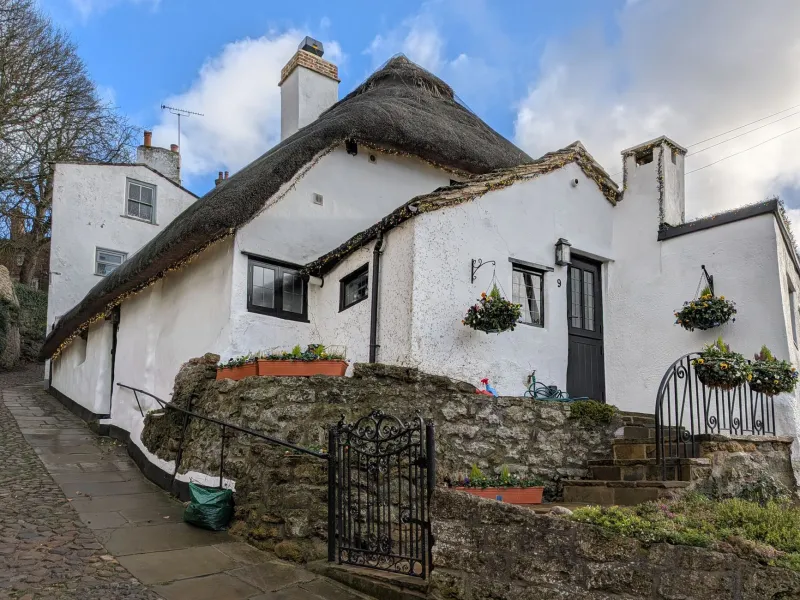
Old homes have a way of making a simple job complicated. A cottage with solid stone walls, a Victorian terrace in a conservation area, or a listed farmhouse might be full of character—but it can also be chilly, draughty and expensive to heat. And if you’ve ever looked at an energy grant and assumed it won’t apply because of the age or status of your home, you’re not alone.
The good news is that “listed” or “conservation area” doesn’t automatically mean “no help available”. It usually means “different route, more paperwork, and a conversation with the council first”. Here’s how to approach it without damaging your home or wasting time.
First, Work Out What You’re Dealing With
Three things often get muddled together: listed buildings, conservation areas and solid-wall properties. They’re not the same, and they don’t trigger identical rules.
A listed building is one that has been recognised for its special architectural or historic interest. In England, the listing entry is available through Historic England; Scotland, Wales and Northern Ireland have their own registers. Listing usually means you need listed building consent for works that affect the building’s character—inside or out. That can include windows, doors, roof coverings, external insulation and sometimes even internal alterations.
A conservation area is a wider designation covering an area of special character, not just one building. In a conservation area, planning permission may be needed for external changes that would normally be allowed without it—especially if the council has removed some permitted development rights. That can catch out homeowners replacing windows, adding external cladding or putting a heat pump unit on a visible wall.
Solid-wall properties are simply older homes without a cavity. They’re common in period housing, but they’re not automatically listed or in a conservation area. The challenge is practical: solid walls lose heat differently from modern walls, and some insulation methods need careful specification to avoid trapping moisture.
The Measures That Usually Need a Conversation
Large external changes are the ones most likely to need consent. External wall insulation, replacement windows, solar panels on a prominent roof, a new flue, or an air source heat pump unit on a visible elevation can all attract scrutiny in a listed building or conservation area. That doesn’t mean they’ll always be refused—it means you should ask before you buy.
Internal work can be easier, but it still isn’t a free pass. Internal wall insulation, loft insulation, draught-proofing, secondary glazing and better heating controls are often more acceptable because they’re less visible from the street. In a listed building, though, even internal insulation can affect historic fabric, so listed building consent may still be needed.
A sensible starting point is the principle of reversibility. Measures that can be removed later without wrecking the building’s character tend to be looked on more kindly than permanent, irreversible changes. That might mean secondary glazing rather than replacement windows, or a carefully specified internal insulation system rather than external cladding on a historic facade.
Grants Aren’t Automatically Off the Table
Energy support schemes rarely say “listed buildings need not apply”. They do often have technical rules about what can be installed, and some measures just won’t be suitable for your property. But there are routes worth exploring.
Supplier-led schemes such as the Energy Company Obligation (ECO) and the Great British Insulation Scheme have historically funded insulation and heating improvements for eligible households. Local authorities may run their own energy efficiency grants, sometimes using Home Upgrade Grant funding or flexible pots aimed at off-gas-grid and lower-income homes. The Boiler Upgrade Scheme has supported heat pump installations, and some councils offer separate help for heritage properties.
Each scheme has its own eligibility rules, so don’t rely on a neighbour’s experience. Ask the scheme administrator directly: what evidence do they need for a listed or conservation-area property, and will they accept alternative approaches where standard measures aren’t suitable? Some schemes ask for an Energy Performance Certificate (EPC). If your home is exempt, ask whether an exemption or a survey can be used instead.
Gather Your Evidence Before You Apply
A little preparation makes the whole process calmer. Before you start filling in forms, collect:
- The listing entry, if your home is listed, and a map showing the conservation area boundary if that applies.
- Clear photos of the walls, roof, windows and any area where work is proposed.
- Your EPC, or evidence of any exemption.
- Quotes from installers who are used to historic properties—look for TrustMark registration, MCS certification for renewables, and PAS 2030 alignment where relevant.
- A short written explanation of what you want to do and why it won’t harm the building’s character. For a listed building, this may need to become a heritage statement.
- Proof of income or benefits if the grant is means-tested.
Talk to the Conservation Officer Early
This is the step people skip, and it’s often the one that saves the most time. Your local planning authority should have a conservation officer or historic buildings officer. Ask for pre-application advice. It’s usually free or low-cost, and it gives you a clear idea of what the council is likely to accept.
Go in with a plan, not a demand. Explain that you’re trying to improve energy efficiency, show them the measures you’re considering, and ask what evidence they’d need. In many cases there’s a workable middle ground: secondary glazing instead of new windows, internal rather than external insulation, or a heat pump unit sited away from the main elevation.
Keep the Paper Trail—and Watch for Scams
If consent is needed, get it in writing before work starts. Keep the decision notice, drawings and installer paperwork together. You may need them later if you sell the property or apply for another grant. And be wary of anyone who promises grant funding and asks for a large upfront fee before you’ve even checked eligibility. Legitimate schemes don’t usually work that way.
Practical Next Steps
Start by checking your home’s status: listed, conservation area, or neither. Then ring your council’s conservation or planning team and ask what consent, if any, your intended measures would need. In parallel, contact a few accredited installers and ask for quotes that specifically address older or historic construction. Once you know what’s technically sensible and what the council will accept, approach the grant scheme with your evidence ready.
Old homes can be improved. They just need a bit more thought, a few more questions and a paper trail that keeps everyone comfortable—including the building itself.