When the Bill Arrives in Their Name: Energy Admin and Support After a Bereavement

There's a particular kind of tiredness that comes with bereavement admin. The funeral is arranged, the family has gone home, and then a brown envelope lands on the mat addressed to someone who isn't there anymore. Usually it's the energy bill.
You don't have to deal with it all today. But you do need to deal with some of it reasonably soon, because energy accounts behave in quiet ways when nobody is watching — direct debits keep leaving the bank, standing charges keep adding up on an empty flat, and support that the household was entitled to can quietly lapse. This is a calm walkthrough of the practical bits, so you can keep the house warm and avoid a mess later.
Start with the supplier's bereavement team, not the general queue
Every large UK supplier has a dedicated team for bereavement, and Ofgem expects them to handle these cases with care — including not chasing payment from someone who has just been bereaved without first checking what's going on. Ask to be put through to that team when you call, or look for the 'bereavement' page on the supplier's website, which usually has an email address and a list of documents they'll want.
Have the basics in front of you: the account number, the date of death, the address, the meter readings if you can get them, and your own details if you're the executor or the next of kin. If you're not the executor, the supplier may still talk to you about practical things like closing the account, but they'll usually need the executor's authority before releasing any money.
One genuinely useful shortcut: the government's Tell Us Once service. When you register the death, you can use it to notify HMRC, the DWP, the council and a range of other bodies in one go. It doesn't cover energy suppliers, but it removes a big chunk of the paperwork that would otherwise sit alongside it.
What happens to a credit balance
If the account was in credit, that money doesn't evaporate. It belongs to the estate of the person who died. The supplier will normally ask for a final meter reading, close the account, and then either refund the balance to the executor or transfer it to a new account in the name of whoever is taking over the property.
In practice, smaller balances are often released to an executor on production of a grant of probate or letters of administration. Some suppliers will release modest sums without probate if the executor signs a declaration, so it's always worth asking rather than assuming you have to wait months.
If you're the surviving partner and the account was going to move into your name anyway, ask the supplier to apply the credit to the new account instead of refunding it. That's usually quicker and keeps the household from briefly owing money on a property that was paid up.
And what about arrears?
This is the bit that frightens people, so let's be clear. In most cases, energy debt belongs to the person who ran up the account, which means it comes out of the estate. It does not automatically hop across to a spouse, a sibling or an adult child living at the same address just because they shared a roof.
Two important exceptions. First, if the account was in joint names, the surviving account holder is normally liable for the whole balance — that's how joint accounts work, and it's worth checking early. Second, if you carried on living in the property and kept using energy without telling the supplier or setting up an account, you can end up responsible for charges from the point you took over.
If the estate has little or no money in it, tell the supplier that plainly and early. Suppliers have processes for writing off small balances in genuine hardship cases, and they'd usually rather have a straightforward conversation than send letters to an empty house.
Don't let the supply get cut off while the paperwork moves
A property that's sitting empty, or one where the account is 'in limbo', is a classic route to a cold home. Standing charges continue even if barely any energy is used, and a supplier may eventually treat an unpaid account as a debt problem.
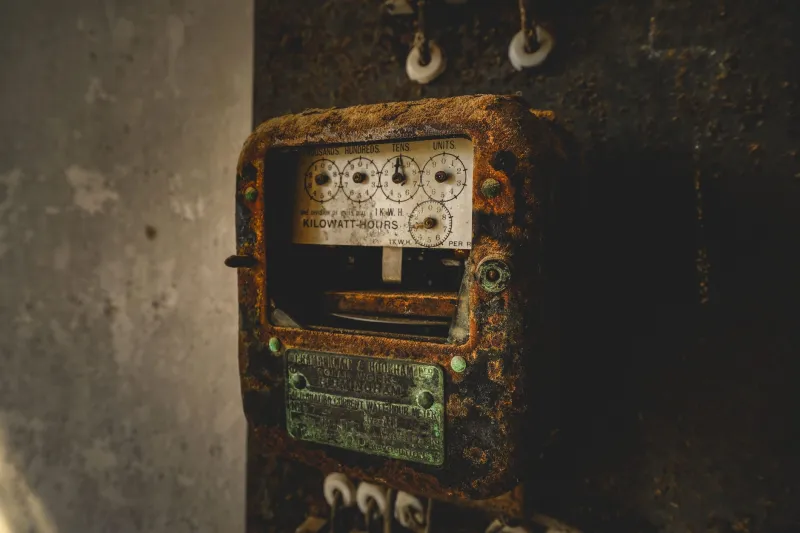
If someone is still living in the property, get an account set up in their name as soon as you reasonably can, even if it's just a temporary arrangement. Take a photo of the meter on the day you take over so there's a clean dividing line. If the property will be empty for a while, tell the supplier — many will let you keep a basic supply on for viewings or for safety, and some will discuss reduced standing charges for genuinely vacant homes.
While you're at it, ask about the Priority Services Register. It's free, it's not means-tested, and it gets the household extra help during power cuts, advance notice of planned interruptions, and sometimes help with meter readings. It's often available to people who are of pension age, disabled, or have a young child at home — a useful safety net if a parent or grandparent is now living alone.
Support the remaining household can still claim
Bereavement changes a household's circumstances, and that can open doors as well as close them. A few things worth checking:
- The supplier's own hardship fund. Most big suppliers run charitable trusts or funds for customers who are struggling. Applications usually need a budget and evidence, but they can wipe out arrears or contribute to a boiler repair.
- The Household Support Fund. Administered by your local council, this is the flexible pot for food, energy and essentials. Ring the council's helpline or look for the 'household support' page — there's usually a simple online form and a short window to apply.
- Warm Home Discount. It's applied automatically to the bill for most eligible households, but the household has to be the one named on the account. If the person who held the discount has died, the remaining occupant may need to check their own eligibility for the 2026–27 scheme rather than assuming it rolls over.
- Charitable grants. Turn2us and Citizens Advice both have grant search tools that include energy-specific funds. It's worth spending twenty minutes on if money is tight.
The short version
Tell the supplier early, ask for their bereavement team by name, take meter readings before anything changes hands, and don't sign anything that makes you personally liable for a debt that belonged to someone else. Keep a simple folder — paper or digital — with the death certificate, the account numbers and the dates you called.
Grief doesn't come with a to-do list, but the energy side of things is manageable in small steps. Warmth at home is part of looking after yourself, and the support is still there even when the name on the bill has changed.